
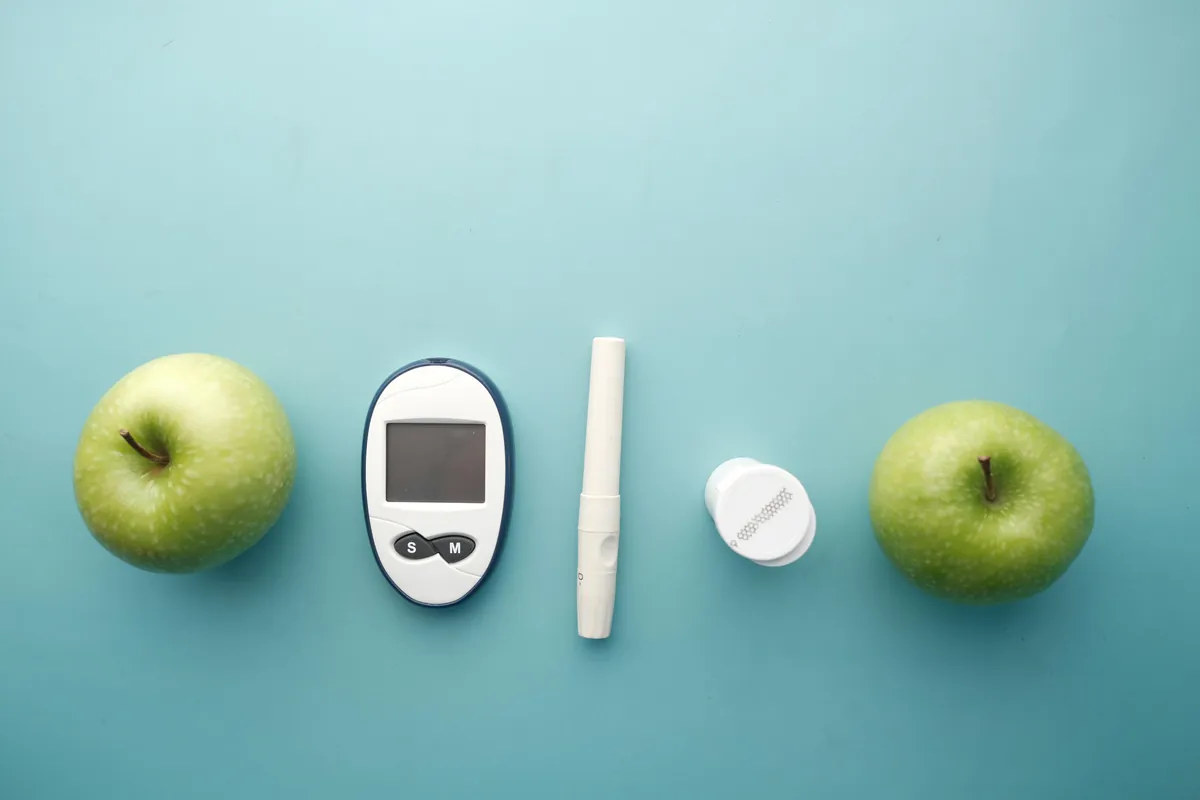
When most people hear about the usa interest rate, they think about mortgages, loans, or the stock market. But few realize that changes in interest rates can also have a significant effect on public health and personal well-being. Understanding this connection can help you better navigate economic shifts and protect your health, especially during times of financial uncertainty.
The USA interest rate influences everything from healthcare costs and insurance premiums to mental health outcomes. Whether you’re a patient, healthcare provider, or policymaker, grasping how monetary policy affects the health sector is vital. This article explores the various ways the USA interest rate ties into health, explaining why this economic indicator matters far beyond the economy alone. Wikipedia
What Is the USA Interest Rate and Why Does It Matter?
The USA interest rate typically refers to the Federal Reserve’s benchmark rate, which sets the cost of borrowing money in the economy. This rate affects banks, businesses, and individuals alike by influencing loan rates, credit card interest, and investment yields.
When the Fed raises or lowers the interest rate, it aims to control inflation, stabilize prices, and support employment. But these shifts ripple out to impact healthcare systems and personal health finances. Recognizing this broader impact is essential, especially as interest rate changes become more frequent amid economic uncertainty.
Interest Rate Trends in Recent Years
Over the past decade, the USA interest rate has fluctuated due to factors like inflation, economic recovery efforts, and global events. Low rates have helped stimulate borrowing and spending, while recent hikes aim to curb rising inflation.
These changes influence how much consumers spend on health-related services and how healthcare providers manage costs. Understanding these trends can prepare individuals and institutions for the financial consequences that affect health access and quality.
How Interest Rates Affect Healthcare Costs
Rising Costs and Patient Affordability
Higher interest rates often mean more expensive loans and credit for hospitals, clinics, and health service companies. These institutions may face increased borrowing costs for equipment, facility upgrades, or technology investments.
Consequently, healthcare providers may pass some of these costs on to patients through higher fees or insurance premiums. For individuals, this could mean paying more for medical visits, treatments, or medications, impacting overall affordability.
Insurance Premiums and Out-of-Pocket Expenses
Insurance companies also feel the pressure of fluctuating interest rates. Since they rely on investments to generate revenue, rate changes can affect their profitability and pricing strategies.
A rise in the USA interest rate might initially benefit insurers, but if economic strain leads to higher healthcare usage or claims, they may increase premiums or deductibles. This shift can hinder access to essential care, especially for vulnerable populations.
The Link Between Interest Rates and Mental Health
Financial Stress and Psychological Well-being
Financial uncertainty triggered by changes in interest rates can contribute significantly to mental health challenges. Higher borrowing costs mean individuals and families may struggle with debt, credit card balances, or mortgage payments.
This financial stress is linked to anxiety, depression, and other mental health disorders. In economic downturns or periods of rapid interest rate hikes, mental health services may see increased demand, highlighting the need for accessible support systems.
Healthcare Access and Mental Health Services
Interest rate changes that reduce disposable income can limit individuals’ ability to seek mental health care. Therapy sessions, medications, and wellness programs may become unaffordable for some, worsening conditions and outcomes.
Policymakers and healthcare providers must consider these dynamics when designing mental health programs and financial assistance initiatives to ensure care remains accessible during economic shifts.
Economic Policies and Public Health Financing
Government Budgets and Health Programs
The USA interest rate also affects how governments fund public health initiatives. When rates rise, debt servicing costs increase, which can lead to budget reallocations or cuts in health spending.
Reduced funding for programs like Medicaid, vaccination campaigns, or health education can undermine public health efforts and worsen population health metrics, especially in underserved communities. How the Samsung Credit Card Can Boost Your Health and Wellness Spending
Investment in Health Infrastructure
Health infrastructure projects often require significant capital investments, frequently financed through bonds or loans. Higher interest rates mean governments and institutions face steeper borrowing costs, potentially delaying or downsizing critical projects.
This slowdown can impact the quality and availability of healthcare facilities, affecting patient care and community health outcomes long-term.
What You Can Do Amid Interest Rate Changes
Financial Planning for Healthcare Expenses
Preparing for possible increases in healthcare costs involves proactive financial planning. Creating an emergency health fund, reviewing insurance policies, and understanding your coverage limits can provide peace of mind and reduce stress.
Consulting with financial advisors or healthcare navigators can help optimize your budget and healthcare choices, especially in a rising interest rate environment.
Advocating for Affordable Health Services
Being informed about the broader impact of the USA interest rate on health empowers individuals to advocate for policies focused on affordability and accessibility.
Engaging with community health boards, voting for public health funding, and supporting mental health initiatives are ways to contribute to systemic improvements during economic shifts.
Conclusion
The USA interest rate is more than a financial tool—it plays a crucial role in shaping healthcare affordability, access, and mental well-being. Changes in this rate affect everything from patient expenses and insurance costs to government health programs and infrastructure investments.
Understanding these connections helps individuals, providers, and policymakers make informed decisions to mitigate adverse health impacts. Staying informed and proactive can make a considerable difference in maintaining health and well-being during periods of economic change. Understanding Futures on Robinhood: What Health Investors Should Know
FAQ
How does the USA interest rate directly affect healthcare costs?
When interest rates rise, healthcare providers face higher borrowing costs, which can lead to increased fees for patients and higher insurance premiums. This makes healthcare less affordable for many individuals.
Can rising interest rates impact mental health?
Yes. Rising interest rates can increase financial stress due to higher loan repayments and reduced disposable income, potentially contributing to anxiety, depression, and other mental health issues.
Does the Federal Reserve consider health outcomes when adjusting interest rates?
The Fed’s primary mandate is economic stability, focusing on inflation and employment. However, economic policies influenced by interest rates indirectly affect public health outcomes.
How can individuals protect their health finances during interest rate hikes?
Individuals can plan by building emergency funds, reviewing insurance coverage, and seeking financial advice to manage healthcare expenses more effectively during periods of rising rates.
Why should policymakers pay attention to interest rates in the context of health?
Because changes in interest rates influence government budgets, healthcare infrastructure funding, and accessibility of services, policymakers need to consider these impacts to maintain and improve public health systems.