
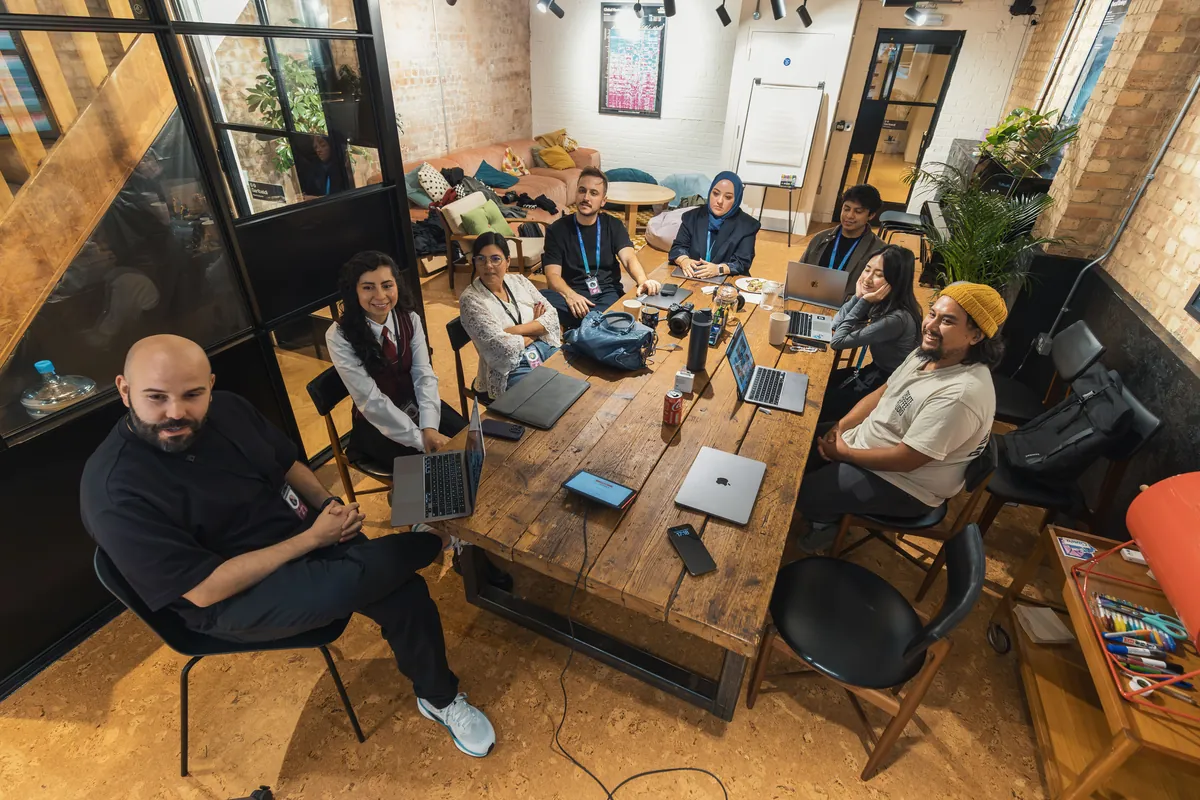
The rise of remote work has been one of the most significant shifts in the modern workforce. Triggered largely by the global pandemic, millions of employees swapped traditional offices for home setups almost overnight. This change has sparked a major debate: will remote work end, or has it transformed the way we work permanently? Wikipedia
Understanding the future of remote work matters because it affects not only employees but employers, urban planning, mental health, and global economies. The way we work influences daily routines, quality of life, and even how companies approach productivity and culture.
As companies weigh the benefits and drawbacks of remote versus in-office work, the question of whether remote work will continue is more relevant than ever. Let’s explore the factors shaping this ongoing evolution in employment.
The Evolution of Remote Work: A Brief Overview
Remote Work Before the Pandemic
Remote work was once a niche arrangement reserved for freelancers or specific industries like tech or creative fields. Though some companies offered limited work-from-home options, the majority operated with in-person teams.
Barriers such as technology limitations, management skepticism, and company culture made widespread remote work rare.
Remote Work During the Pandemic
The COVID-19 pandemic forced a rapid shift, pushing organizations to adopt remote work policies almost overnight. This period proved that many jobs could be performed from anywhere with an internet connection.
Businesses realized the potential for cost savings on office space and employees appreciated improved work-life balance and reduced commute times.
Why Remote Work Might Not End: Key Drivers
Employee Preference for Flexibility
Surveys consistently show that many employees value the flexibility remote work provides. The ability to design a personalized workspace and manage schedules leads to higher job satisfaction and productivity for some.
As a result, companies risk losing talent if they insist on a full return to the office. Flexibility has become a critical factor in recruiting and retaining employees.
Technological Advancements Supporting Remote Work
Innovations in digital communication tools, cloud infrastructure, and project management software continue to enhance remote collaboration. These technologies make it easier to stay connected and maintain productivity regardless of location.
As technology evolves, remote work becomes not just feasible but often preferable.
Cost Savings and Environmental Benefits
Remote work can reduce expenses related to office maintenance, utilities, and commuting subsidies. Additionally, fewer commuters lead to decreased traffic congestion and lower carbon emissions.
For organizations focused on sustainability and reducing overhead, continuing remote work policies aligns with these goals.
Why Some Companies Are Ending Remote Work
Concerns About Collaboration and Culture
Critics argue that in-person interaction fosters better teamwork, spontaneous brainstorming, and stronger company culture. Some leaders worry that remote work hampers communication and creativity.
This mindset leads certain businesses to mandate a return to the office to rebuild face-to-face relationships.
Challenges with Employee Monitoring and Productivity
Without physical oversight, some companies struggle to gauge employee productivity or maintain accountability. This concern prompts a return to the office to ensure consistent work output.
However, many experts suggest performance should be measured by results rather than presence, challenging this traditional view.
Unequal Home Environments
Not all employees have access to a quiet, dedicated workspace or fast internet at home. These disparities can impact work quality and stress levels, leading some employers to prefer office work to provide a standardized environment.
The Hybrid Model: A Compromise Solution
Many organizations are adopting a hybrid approach, combining remote and in-office work. This model caters to flexibility while maintaining some level of face-to-face engagement.
Hybrid work allows employees to choose their most productive setting on any given day, which can promote well-being and efficiency. Wall Street Open Today: What Investors Need to Know
Health Implications of Remote Work
Mental Health Considerations
Remote work has a complex impact on mental health. While it can reduce stress from commuting and allow for better work-life balance, it may also contribute to feelings of isolation and blurred boundaries between work and home life.
Employers must address these issues by fostering support networks and encouraging healthy routines.
Physical Health and Ergonomics
Working from home often means less physical movement and potentially poor ergonomic setups. This can lead to musculoskeletal problems or decreased physical activity.
Providing guidance on home office ergonomics and promoting regular breaks is crucial for employee health.
The Global Perspective on Remote Work’s Future
The adoption and permanence of remote work vary worldwide depending on cultural norms, industry sectors, and infrastructure availability.
In some regions, remote work is quickly becoming standard, while others remain more traditional due to economic or social factors.
This global variation means the future of remote work won’t be a one-size-fits-all outcome but rather a patchwork of solutions tailored to specific contexts.
Conclusion: Will Remote Work End or Evolve?
The question of “will remote work end” doesn’t have a simple yes or no answer. Instead, remote work is evolving into a more flexible, hybrid approach in many sectors.
While some organizations are eager to return to traditional office environments, others embrace the benefits of ongoing remote arrangements. Employee preferences, technological advances, and health considerations will continue to influence this landscape.
Ultimately, the future of work is likely to be more personalized and adaptive, blending remote and in-person options to meet diverse needs.
FAQ
Will companies completely abandon remote work after the pandemic?
It is unlikely that companies will completely abandon remote work. While some may require more in-office presence, many have recognized the benefits and plan to maintain remote or hybrid options.
How does remote work impact employee mental health?
Remote work can reduce stress from commuting and improve work-life balance but may also cause isolation and blurred boundaries. Supportive measures are essential to mitigate these issues. Rajesh Roy: Pioneering Health Insights in the Modern Era
What industries are most likely to continue remote work?
Industries like technology, finance, marketing, and consulting have high potential to continue embracing remote or hybrid work due to the nature of their tasks and digital capabilities.
What challenges do employers face with remote work?
Employers may struggle with tracking productivity, maintaining company culture, ensuring effective communication, and addressing employees’ varying home environments.
Is hybrid work the new standard?
Many organizations view hybrid work as a balanced solution, offering flexibility while preserving collaborative in-person interactions. This approach is gaining widespread adoption across sectors.