
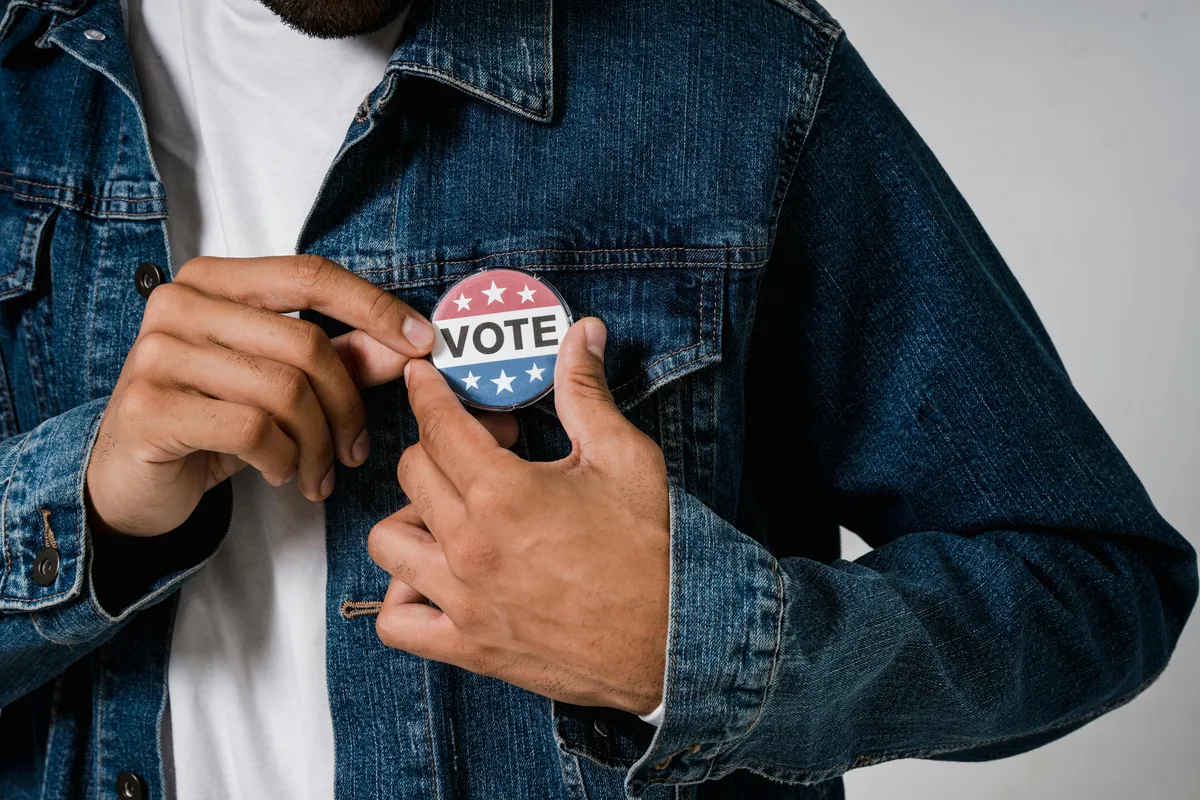
Every year, Prime Day creates a whirlwind of excitement among consumers eager to snag discounts on a wide array of products. However, the significance of early prime day deals extends beyond mere shopping frenzies. Political developments, both at home and abroad, increasingly influence global supply chains, pricing, and retail strategies, directly affecting how these deals unfold.
Understanding the political landscape can help shoppers make informed decisions and navigate early Prime Day deals more strategically. For retailers and policymakers, these shifts highlight the intricate balance between commerce and governance, especially in times of economic uncertainty.
In this article, we explore how recent political events shape early Prime Day deals, what consumers can expect, and why staying informed matters in today’s fast-changing market.
How Politics Influences Retail and Consumer Deals
Trade Policies and Tariffs Impacting Product Prices
Trade negotiations and tariff policies often play a pivotal role in determining the pricing and availability of goods. When governments impose or lift tariffs, the ripple effect can be felt in retail pricing, affecting discounts during sales events like Prime Day.
For example, ongoing trade tensions between major economies can lead to higher import costs for electronics, household goods, and apparel. Retailers may face supply chain disruptions or increased expenses, which can reduce the depth of early Prime Day deals or narrow the product selection.
Regulations Affecting E-Commerce Platforms
Governments worldwide are increasingly scrutinizing e-commerce giants over data privacy, labor practices, and antitrust issues. New regulations can compel platforms like Amazon to adjust marketing strategies or limit promotional activities temporarily. This may influence the timing, scale, or nature of early Prime Day deals, potentially altering consumer expectations.
Early Prime Day Deals Amid Political Uncertainty
Supply Chain Challenges Linked to Geopolitical Events
Geopolitical events such as conflicts, sanctions, and diplomatic disputes have a direct impact on shipping routes and manufacturing hubs. These factors contribute to product shortages or delays, which affect the inventory available for early Prime Day deals.
For shoppers, this means certain high-demand items may go out of stock faster or might not be discounted as deeply as in previous years. Retailers are forced to recalibrate deal strategies to manage limited supply while maintaining customer interest.
Economic Policy Shifts and Consumer Spending Power
Fiscal policies, inflation control measures, and stimulus packages influence consumer confidence and spending habits. A tightening economy often leads to more cautious purchasing behavior, prompting retailers to adjust discount strategies on early Prime Day deals to attract hesitant buyers.
Conversely, stimulus-driven consumer spending can create a surge in demand, pushing retailers to offer competitive promotions early to capitalize on heightened buyer enthusiasm.
What Shoppers Need to Know About Early Prime Day Deals
Timing Your Purchases Strategically
Political factors can make early Prime Day deals more unpredictable. Shoppers should monitor news relating to trade developments, regulatory announcements, and international relations that might affect retail conditions.
Acting swiftly on early deals, especially on electronics or imported goods, can secure savings before any potential price increases due to political controversies or supply shortages.
Focusing on Vendor Reliability and Product Authenticity
With evolving regulations, some third-party sellers may face operational hurdles affecting product quality and shipping reliability. Shoppers should prioritize trusted vendors and scrutinize product reviews to avoid pitfalls during early Prime Day deals.
Leveraging Technology for Deal Alerts
Using deal-tracking apps and notifications can help shoppers stay ahead when political changes create last-minute fluctuations in discount availability.
Retailers’ Response to Political Influences on Prime Day
Adapting Marketing and Inventory Practices
Retailers are increasingly agile in adjusting inventory orders and promotional plans in response to political developments. Early Prime Day deals may feature product bundles or alternative brands when traditional supply chains are disrupted. Wikipedia
Enhancing Consumer Trust Amid Regulatory Pressures
To comply with new laws and maintain consumer confidence, platforms emphasize transparency around deals and seller authenticity, improving the overall shopping experience during early Prime Day phases. Finding the Best Car Insurance for High Risk Drivers: A Guide to Affordable Coverage
The Broader Political Implications for Future Sales Events
Prime Day is a bellwether for how politics and commerce intersect in the digital age. The event serves as a case study for governments and businesses navigating complex global dynamics while catering to growing consumer demand. Future sales events will likely depend even more on political stability, supply chain resilience, and regulatory clarity.
Consumers and retailers alike stand to benefit from greater awareness of how politics shapes pricing and product availability, turning early prime day deals into more than just a savings opportunity but a reflection of global economic trends.
FAQ
How do trade policies affect early Prime Day deals?
Trade policies influence tariffs and import costs, which can raise product prices and limit discounts available during early Prime Day deals. Changes in trade agreements may also impact product availability.
Why might political events cause supply chain disruptions during Prime Day?
Conflicts, sanctions, and diplomatic tensions can disrupt shipping routes and manufacturing processes, causing shortages or delays that affect inventory levels for Prime Day promotions.
Can economic policies impact consumer spending on Prime Day?
Yes, fiscal measures like stimulus payments or inflation controls affect consumer purchasing power, which retailers consider when planning the scale and timing of early Prime Day deals.
What should shoppers be cautious about when buying during early Prime Day deals?
Shoppers should verify vendor credibility and product reviews due to regulatory changes affecting sellers, and act quickly on deals that may fluctuate with political developments.
How are retailers adapting to political changes affecting Prime Day?
Retailers adjust inventory strategies, diversify product offerings, and improve transparency to comply with regulations and maintain customer trust during politically turbulent times.